
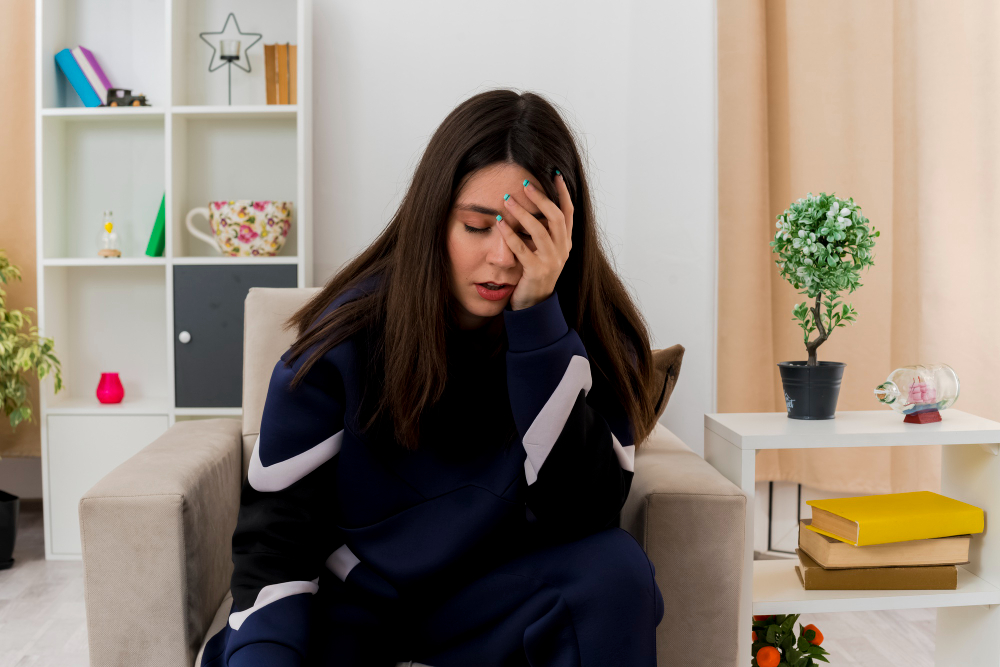
What Is Long-Term Pain?
Long-term pain, also called chronic pain, lasts for months or even years. Unlike short-term pain, it does not go away quickly. For many people, this pain can affect daily life. According to the CDC, about 20% of adults in the United States live with chronic pain. Because it lasts so long, the emotional toll of long-term pain can be very high.
The Emotional Impact of Chronic Pain
Living with pain every day can be exhausting. Over time, it can change how you feel about yourself and the world. For example, you may feel sad, angry, or hopeless. Many people also feel alone because others may not understand their pain. As a result, the emotional effects of chronic pain can be just as hard as the physical ones.
Common Emotional Symptoms
Chronic pain often leads to strong emotions. Some of the most common emotional symptoms include:
Because these feelings can build up, it is important to notice them early.
How Chronic Pain Affects Daily Life and Relationships
Chronic pain can make simple tasks hard. For instance, you may find it tough to work, play, or even get out of bed. Over time, this can lead to missed events or lost jobs. Relationships may also suffer. Sometimes, friends or family do not understand what you are going through. As a result, you may feel left out or misunderstood. In some cases, pain can even cause arguments or stress at home.
Evidence-Based Coping Strategies
There are many ways to cope with the emotional effects of chronic pain. Experts suggest these evidence-based strategies:
Because everyone is different, you may need to try a few options to see what works best.
When to Seek Professional Help
If your feelings become too much to handle, it is time to get help. For example, if you feel hopeless, think about hurting yourself, or cannot do daily tasks, talk to a doctor or mental health expert. Early support can make a big difference. The CDC and WHO both stress the importance of mental health care for people with chronic pain.
Practical Tips for Self-Care and Emotional Resilience
Building emotional strength takes time, but small steps can help. Try these tips:
Over time, these habits can help you feel more in control.
Conclusion
Long-term pain can affect both your body and your mind. The emotional toll of living with chronic pain is often overlooked, but it’s an important aspect of the healing process. You are not alone—many people face the emotional challenges of long-term pain. With the right support and coping strategies, you can regain control, feel better, and enjoy a fuller life.
If you or someone you know is struggling with the emotional impact of long-term pain, consult a healthcare professional at Daradia: The Pain Clinic. Our team is committed to providing personalized support and effective pain management strategies to improve both your physical and emotional well-being.
Visit Daradia: The Pain Clinic today — where compassionate care and expert pain relief help you live a more comfortable life