
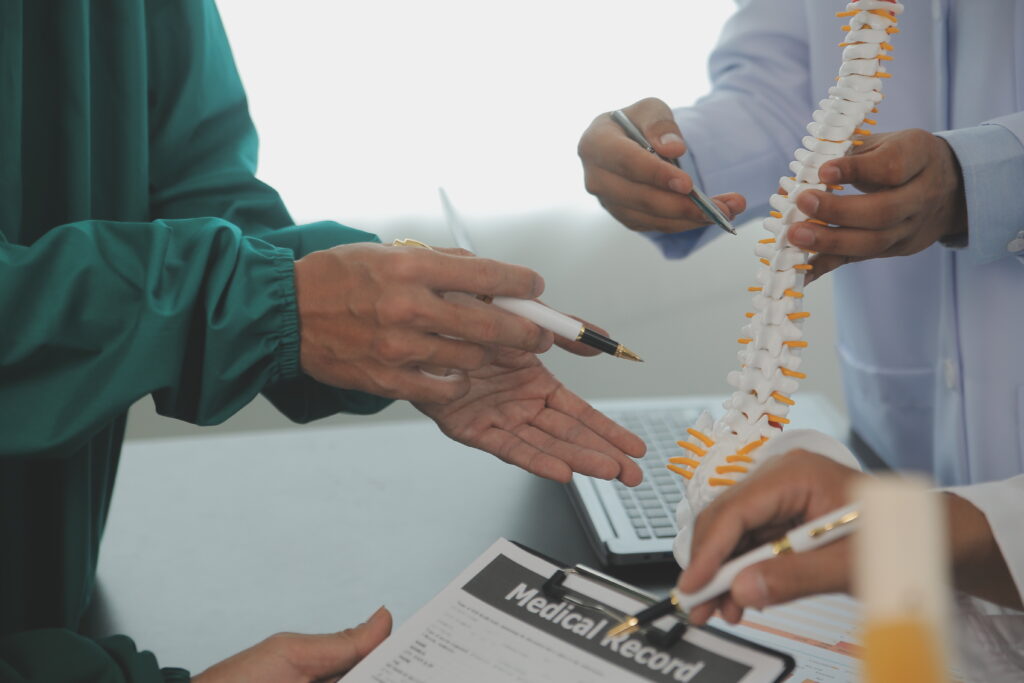
What Are Vertebral Compression Fractures?
Vertebral compression fractures happen when a bone in your spine breaks or collapses. These fractures often cause pain and can affect your movement. Early treatment of vertebral compression fractures is important for a better recovery. The spine is made up of many small bones called vertebrae. When one of these bones gets weaker, it can break under pressure. This type of fracture is common in older adults, especially those with weak bones.
Common Causes and Risk Factors
Many things can lead to a vertebral compression fracture. Most often, these fractures happen because of:
In addition, some people have a higher risk. For example, older adults, women after menopause, and people with a family history of weak bones are more likely to get these fractures. Smoking, low calcium, and lack of exercise can also increase your risk.
Symptoms and Diagnosis
Usually, the first sign is sudden back pain. Sometimes, the pain starts slowly and gets worse over time. Other symptoms may include:
If you notice these symptoms, it is important to see a doctor. Your doctor will ask about your health and do a physical exam. Often, they will order X-rays or MRI scans to check for fractures. Early diagnosis helps guide the best vertebral compression fracture treatment.
Detailed Treatment Options
Treatment of vertebral compression fractures depends on your age, health, and the cause of the fracture. There are both non-surgical and surgical options. Your doctor will help you choose the best plan.
Non-Surgical Treatments
Surgical Treatments
If pain does not improve or the fracture is severe, surgery may be needed. Minimally invasive spine procedures are common. These include:
Both procedures are quick and often done as outpatient surgeries. Recovery is usually faster than with traditional surgery.
Recovery Process and Expected Outcomes
Recovery from a vertebral compression fracture can take several weeks. However, most people feel better within a few days to a few months. Your recovery plan may include:
Most people return to normal activities after treatment. However, some may have mild back pain or stiffness. Early treatment and following your doctor’s advice can improve your outcome. According to the CDC, staying active and managing bone health are key to a good recovery.
Prevention Tips and Lifestyle Guidance
Preventing future fractures is important. You can lower your risk by making healthy choices. For example:
In addition, talk to your doctor about medicines that can strengthen your bones. These steps can help prevent another spinal fracture and support long-term spine health.
When to Seek Medical Help
If you have sudden back pain, loss of height, or trouble moving, see a doctor right away. Early care is important for the best treatment of vertebral compression fractures. Also, if you have cancer or osteoporosis, regular check-ups can help catch problems early. Do not ignore new or worsening symptoms.
Conclusion
In summary, vertebral compression fractures are common but treatable. With the right care, most people recover well. For the best results, follow your doctor’s advice and take steps to protect your bones. Consult an orthopedic specialist at DARADIA: The Pain Clinic for personalized advice on vertebral compression fracture treatment.