What is Coccydynia?
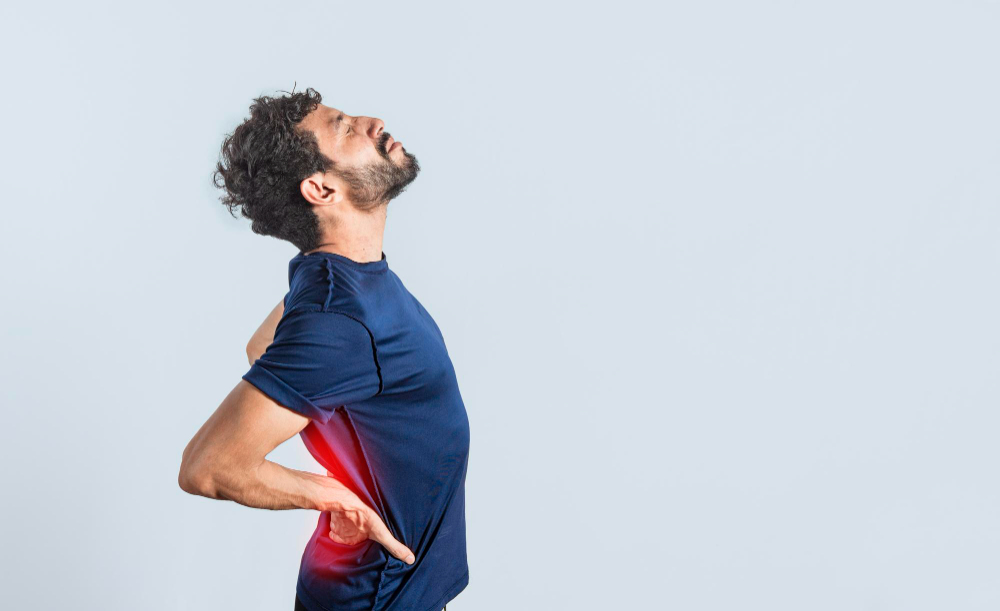
Coccydynia is the medical term for tailbone pain. The tailbone, also called the coccyx, sits at the bottom of your spine. When this area hurts, sitting can feel very uncomfortable. In fact, many people notice pain while sitting or standing up. Coccydynia can have many causes, but it often comes from injury, strain, or pressure on the tailbone. Orthopedic doctors see this problem often, and it can affect people of all ages.
Common Symptoms of Tailbone Pain
Tailbone pain can show up in different ways. However, some symptoms are more common than others. If you have coccydynia, you may notice:
For some people, the pain is mild. But for others, it can make daily life difficult.
Causes: Why Does Sitting Hurt?
There are several orthopedic causes of coccydynia. Sitting puts pressure on the tailbone, which can make pain worse. Some common reasons for tailbone discomfort include:
Sometimes, the cause is not clear. But even without a clear reason, pain relief for coccydynia is possible.
Diagnosis: How Doctors Identify Coccydynia
Doctors use several steps to diagnose tailbone pain. First, they ask about your symptoms and medical history. Next, they may examine your lower back and tailbone. Often, they gently press on the area to check for tenderness. In some cases, doctors order X-rays or MRI scans. These tests help rule out fractures or other problems. According to the CDC, most cases do not need surgery or advanced tests.
Treatment Options for Coccydynia
There are many ways to find pain relief for coccydynia. Treatment depends on how severe your symptoms are. Some common options include:
Most people feel better with simple treatments. However, if pain lasts more than a few weeks, see an orthopedic specialist for advice.
Lifestyle Tips for Managing Tailbone Pain
There are many things you can do at home to ease tailbone discomfort. For example, try these tips:
With these steps, many people notice less pain and better comfort during daily activities.
Prevention: How to Avoid Coccydynia
While not all cases can be prevented, you can lower your risk of tailbone pain. Consider these prevention tips:
By following these steps, you can help keep your tailbone healthy and pain-free.
Coccydynia can make sitting very hard, If you have ongoing tailbone pain, consult a specialist at DARADIA: The Pain Clinic for personalized advice on managing coccydynia.