
Symptoms, and Prevention
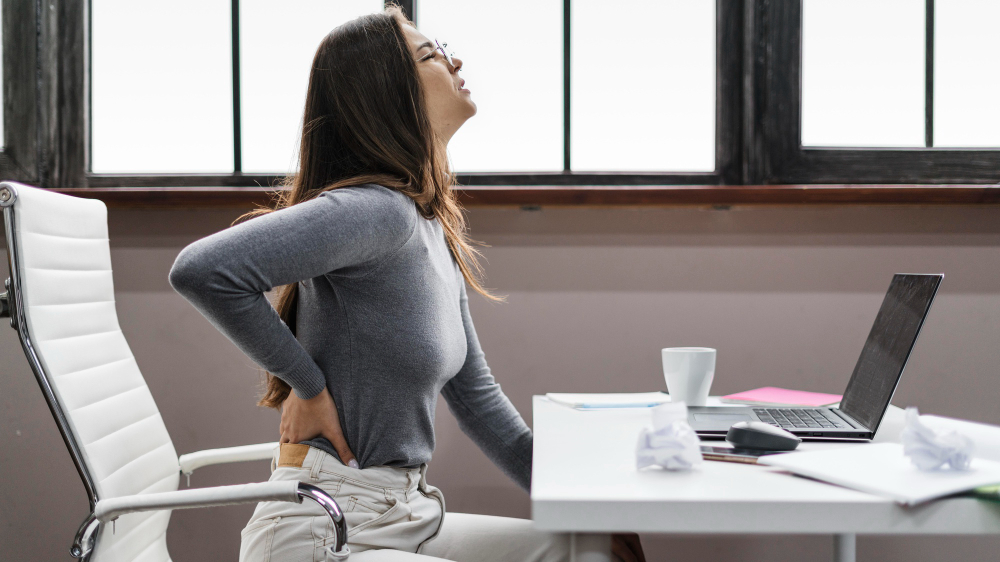
Many people do not realize how common postural mistakes can trigger chronic pain. Poor posture is a leading cause of long-lasting aches and discomfort. In fact, small daily habits, like slouching or sitting the wrong way, can lead to pain that does not go away. Understanding these mistakes is the first step to feeling better. This blog will explain the causes, symptoms, and prevention of chronic pain from poor posture. You will also find tips on how to fix bad posture and when to seek help.
What Are Common Postural Mistakes?
Many people make postural mistakes without noticing. These errors can happen while sitting, standing, or even sleeping. Over time, they may cause pain and stiffness. Here are some of the most frequent posture mistakes:
How Postural Mistakes Cause Chronic Pain
Bad posture puts extra stress on your muscles, joints, and nerves. Over time, this stress can lead to chronic pain. For example, slouching can strain your back and neck muscles. In addition, forward head posture may pinch nerves and cause headaches. When your body is out of balance, some muscles work too hard while others become weak. As a result, you may feel pain that lasts for weeks or even months. According to the CDC, poor posture is a common cause of musculoskeletal pain in adults.
Symptoms of Posture-Related Chronic Pain
Posture mistakes causing pain can lead to many symptoms. You might notice these signs in your daily life. Some common symptoms include:
Sometimes, these symptoms get worse after long periods of sitting or standing. If you notice these signs, your posture may be the cause.
Diagnosis
Healthcare professionals use several methods to diagnose posture-related pain. First, they will ask about your symptoms and daily habits. Next, they may watch how you sit, stand, and move. Sometimes, doctors use physical exams to check for muscle weakness or joint problems. In rare cases, they may order X-rays or other tests to rule out other causes. Early diagnosis helps prevent pain from getting worse.
Prevention and Correction Tips
Good posture can help prevent and reduce chronic pain. Here are some simple tips to improve your posture and comfort:
Making small changes can have a big impact on your health. Over time, these habits can help you avoid chronic pain from poor posture.
When to Seek Medical Help
While many posture problems can be corrected at home, some signs indicate that it’s time to consult a doctor. Seek medical help if you experience:
- Severe or sudden pain that does not improve
- Numbness, tingling, or weakness in your arms or legs
- Pain that affects your daily activities or disrupts your sleep
- Loss of bladder or bowel control
Early treatment can prevent long-term problems, and a healthcare professional can provide personalized advice on how to fix bad posture and manage chronic pain.
For personalized advice on chronic pain and posture correction, consult a healthcare professional at Daradia: The Pain Clinic. Our experts are dedicated to providing effective pain management solutions and posture correction to help you live pain-free.
Visit Daradia: The Pain Clinic today — where we work together to relieve your pain and improve your quality of life.