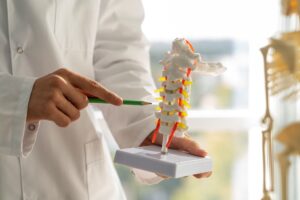

What is Lower Limb Radiculopathy?
Lower limb radiculopathy is a condition where a nerve in the lower back gets compressed or irritated. As a result, this can cause nerve pain in the leg, numbness, or weakness. Often, people call this sciatica when the sciatic nerve is involved. However, other nerves in the lower back can also be affected. Lower limb radiculopathy is a common reason for leg pain and discomfort. According to the World Health Organization, back and nerve pain are leading causes of disability worldwide.
Common Symptoms
Symptoms can vary from person to person. But, most people with lower limb radiculopathy notice the following:
Sometimes, symptoms may come and go. Yet, they can also become constant if the nerve stays compressed.
Causes and Risk Factors
There are several causes of lower limb radiculopathy. Most often, it happens due to nerve compression in the lower spine. Common causes include:
Some risk factors make lower limb radiculopathy more likely:
For example, people who sit for long hours or have weak back muscles may be at higher risk.
Diagnosis Methods
Doctors use several methods to diagnose lower limb radiculopathy. First, they ask about your symptoms and medical history. Then, they perform a physical exam to check your strength, reflexes, and sensation. In many cases, further tests are needed, such as:
Early diagnosis helps guide the best treatment plan. Therefore, it is important to see a doctor if you have ongoing leg pain or numbness.
Treatment Options
Treatment for lower limb radiculopathy depends on the cause and severity. Most people get better with simple treatments. Common options include:
In some cases, surgery may be needed. For example, if there is severe nerve compression or loss of movement, a neurosurgeon may recommend surgery. Many hospitals offer advanced neurosurgery and neurology care for lower limb radiculopathy.
Lifestyle Tips and Prevention
Making healthy lifestyle choices can help prevent lower limb radiculopathy. Here are some tips:
With these steps, you can lower your risk of nerve pain in the leg and related problems.
When to See a Doctor
It is important to seek medical help if you notice:
Early treatment can prevent long-term nerve damage. Therefore, do not ignore ongoing symptoms.
If you have signs of lower limb radiculopathy, consult a neurologist or neurosurgeon at DARADIA: The Pain Clinic for personalized advice and care. Our expert team provides comprehensive diagnosis and effective treatment options to help manage pain and improve your quality of life.